
CORRUPÇÃO POLÍTICO-EMPRESARIAL NO BRASIL
CRIMES DOS PODEROSOS, IMPERIALISMO LEGAL E OPERAÇÃO LAVA JATO
Palavras-chave:
Estado Capitalista, seletividade punitiva, imperialismo legal, lava jato, corrupção político-empresarialResumo
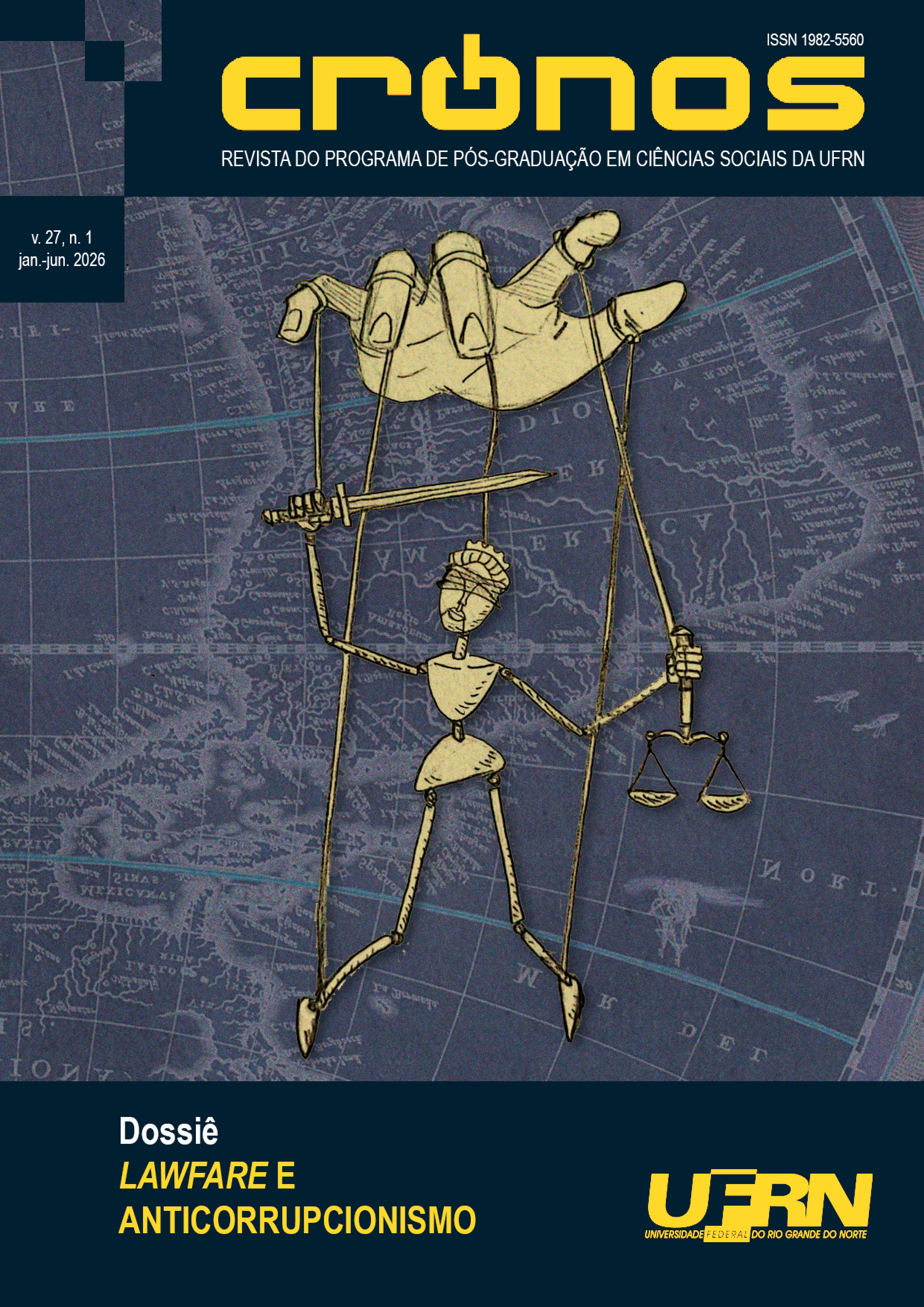
O artigo aborda a corrupção político-empresarial brasileira como fenômeno estrutural do capitalismo e a ideologia anticorrupcionista como instrumento de disputa geopolítica. A partir da criminologia marxista dos poderosos de Frank Pearce e do conceito de “imperialismo legal” de Luís Eduardo Fernandes, demonstra-se que a busca amoral por lucro e a necessidade de autorreprodução eleitoral convergem para capturar o aparelho estatal, gerando um “mercado de ações funcionais” capaz de transformar políticas públicas em mercadoria. O sistema punitivo, por sua vez, opera seletivamente: penaliza crimes de rua e protege delitos corporativos, legitimando a hegemonia burguesa. A partir da década de 1990, os Estados Unidos passaram a exportar normas anticorrupção e a financiar think tanks que difundem a ideologia do anticorrupcionismo; no Brasil, tal agenda se materializou na Operação Lava Jato. A articulação entre elites empresariais, mídia e órgãos judiciais propiciou o uso estratégico do processo de criminalização (lawfare) para desestruturar políticas de desenvolvimento e reconfigurar o bloco de poder em favor de uma ofensiva neoliberal e antidemocrática. Conclui-se que a “grande corrupção” decorre da relação estrutural entre Estado capitalista e grande capital, potencializada e instrumentalizada em favor de interesses do imperialismo dos EUA, enquanto os processos de criminalização são orientados por interesses identificados na luta política intraclasse.
Downloads
Downloads
Publicado
Como Citar
Edição
Seção
Licença
Copyright (c) 2026 Revista Cronos

Este trabalho está licenciado sob uma licença Creative Commons Attribution-NonCommercial-ShareAlike 4.0 International License.
 English
 Español (España)
 Português (Brasil)